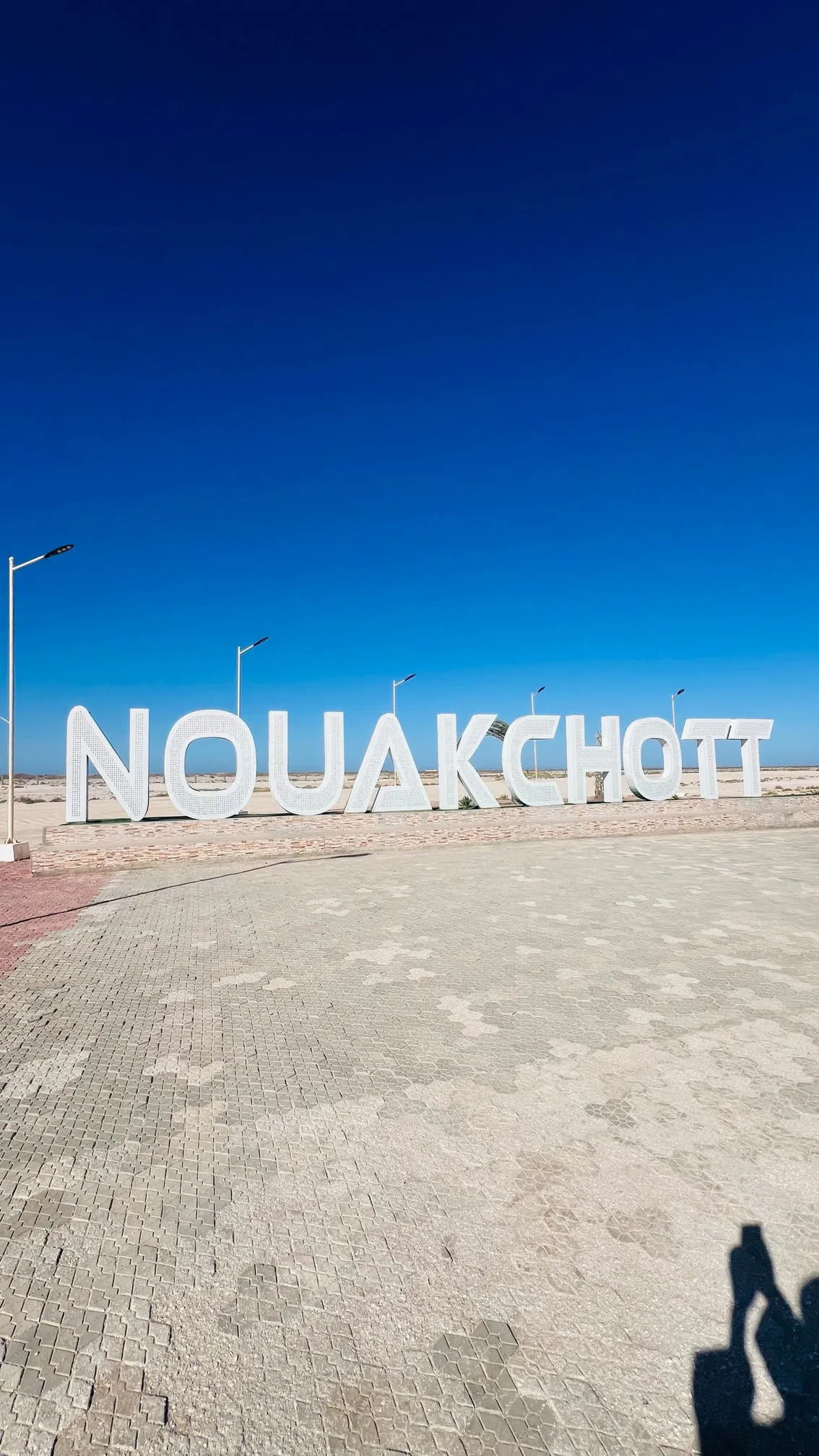
Mauritania: The Rising Economy of the Sahara
Mauritania: The Rising Economy of the Sahara
Nestled between the Atlantic Ocean and the vast Sahara Desert, Mauritania is a land of striking contrasts. Known for its endless dunes, ancient caravan cities, nomadic heritage, and rich Islamic culture, the country is also emerging as one of the most resource-rich and economically promising nations in West Africa.
For decades, Mauritania’s economy has been shaped by iron ore trains crossing the desert, fishing boats along the Atlantic coast, and livestock caravans moving through the Sahel. Today, however, the nation is entering a new chapter. With growing investments in mining, renewable energy, natural gas, agriculture, tourism, and infrastructure, Mauritania is positioning itself as an important economic player in the region.
A Land Rich in Natural Wealth
Mauritania possesses enormous natural resources that form the backbone of its economy. Although much of the country is covered by desert, its underground and coastal riches have long attracted regional and international interest. The country’s most important economic strengths include:
- Iron ore, gold, and copper
- World-class fisheries
- Livestock and agriculture
- Natural gas and renewable energy potential
The Mining Industry: The Engine of the Economy
Mining has historically been the heart of Mauritania’s economy. Since independence, iron ore has been one of the country’s most valuable exports. Northern Mauritania contains vast iron deposits around cities such as Zouérat and F’Derik, transported by the world’s longest trains to the port city of Nouadhibou.
In recent years, gold mining has also expanded significantly, creating income opportunities for thousands of Mauritanians. Copper, gypsum, and phosphate further strengthen the sector and highlight the country’s untapped geological potential.
The Atlantic Ocean: Mauritania’s Blue Gold
While the desert dominates much of the landscape, Mauritania’s Atlantic coastline is one of its greatest economic treasures. The country’s waters are among the richest fishing zones in the world. Fish exports contribute heavily to the national economy, with species like sardines, tuna, octopus, and mackerel being major exports.
The future of the fishing sector will depend on balancing economic growth with marine conservation and developing stronger local fish-processing industries.
Agriculture and Livestock: The Soul of Rural Mauritania
Despite its harsh climate, agriculture and livestock remain essential pillars of Mauritanian society. In the south, farmers cultivate rice, millet, and sorghum, while oasis communities in regions like Adrar preserve centuries-old traditions of date palm cultivation. Livestock, including camels, goats, and cattle, are central to nomadic and rural life, supporting millions of livelihoods.
Natural Gas: A New Economic Era
Mauritania is now entering what could become a transformational energy era. Major offshore natural gas reserves, such as the Grand Tortue Ahmeyim project, are expected to become some of West Africa’s most important energy developments. Production could bring increased revenues, foreign investment, and infrastructure development.
Renewable Energy: The Untapped Giant
Few countries possess renewable energy potential as strong as Mauritania’s. With intense sunlight and strong coastal winds, the country is exceptionally well-positioned for solar and wind energy development. In the future, Mauritania could even become a regional exporter of clean energy and green hydrogen.
Tourism: The Sleeping Treasure
Beyond mining and energy, Mauritania possesses extraordinary tourism potential. The country offers a rare combination of Saharan landscapes, ancient caravan cities like Chinguetti and Ouadane, and rich cultural heritage. Banc d’Arguin National Park is internationally famous for its biodiversity. Adventure and eco-tourism offer enormous possibilities for future growth.
Challenges and the Future
Despite its enormous wealth, Mauritania continues to face challenges such as economic dependence on raw materials, poverty, youth unemployment, and climate change. The key to the future lies in diversification — building an economy that strengthens education, technology, and entrepreneurship alongside traditional industries.
If managed wisely, Mauritania could emerge as one of the most dynamic economies in the Sahara and West Africa.
Conclusion
Mauritania is far more than a desert nation. It is a country of immense economic potential, cultural richness, and untapped opportunity. From the iron mountains of the north to the fishing ports of the Atlantic coast, Mauritania represents a fascinating blend of history and modern transformation.
Sources
- World Bank – Strengthening Economic Resilience in Mauritania
- Wikipedia – Economy of Mauritania
- Economic Activity – Primary and Secondary Sectors in Mauritania
- Focus Economics – Mauritania Economic Outlook
- Lloyds Bank Trade – Mauritania Economic Context
Written by
Wakaya Tours